
Ghana Spends GH¢49.72 Million to Evacuate 1,964 Nationals from South Africa
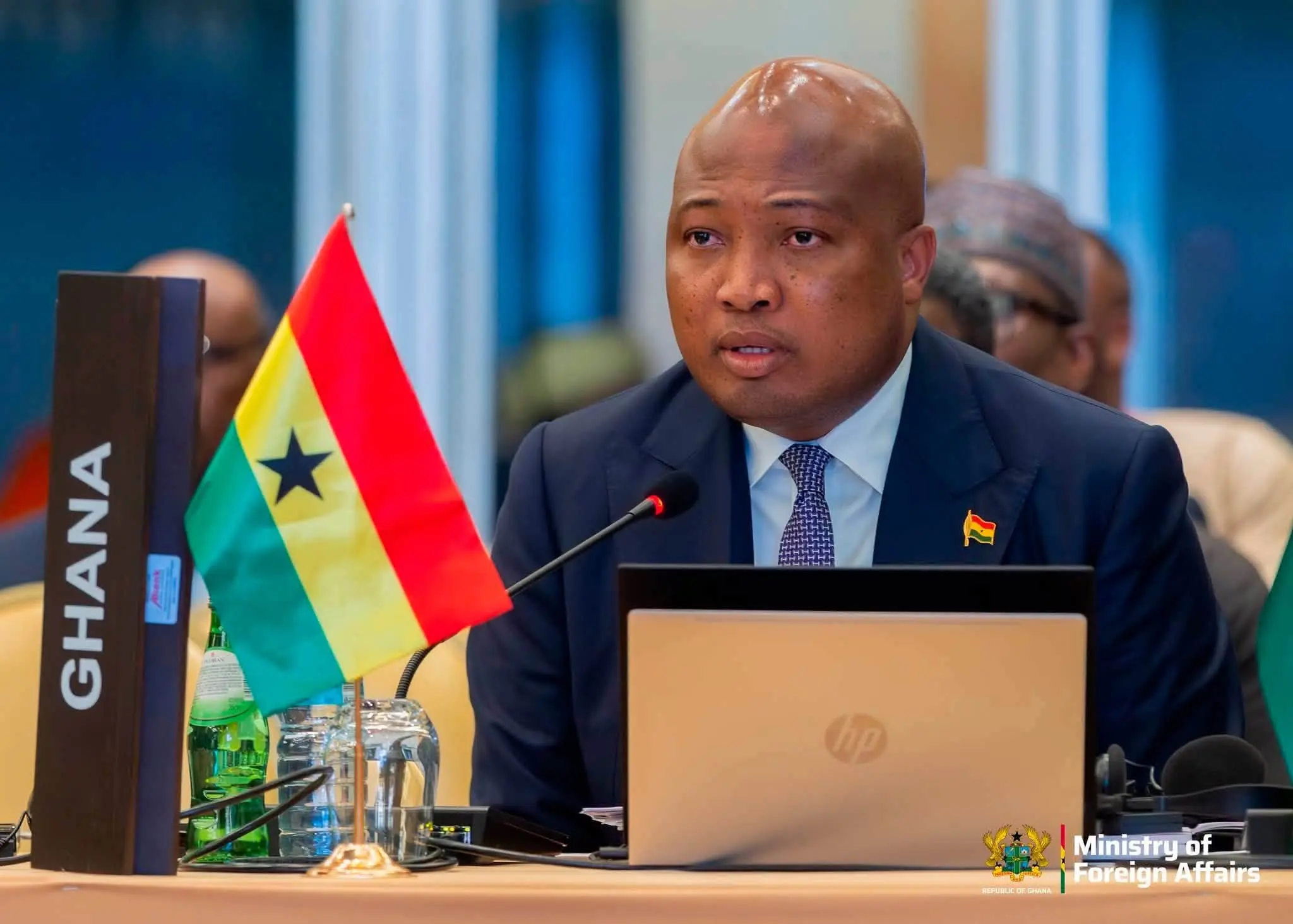
The Government of Ghana spent GH¢49,721,786 to evacuate 1,964 Ghanaian nationals from South Africa following a deterioration in the security situation and renewed xenophobic attacks targeting African migrants, Foreign Affairs Minister Samuel Okudzeto Ablakwa has disclosed.
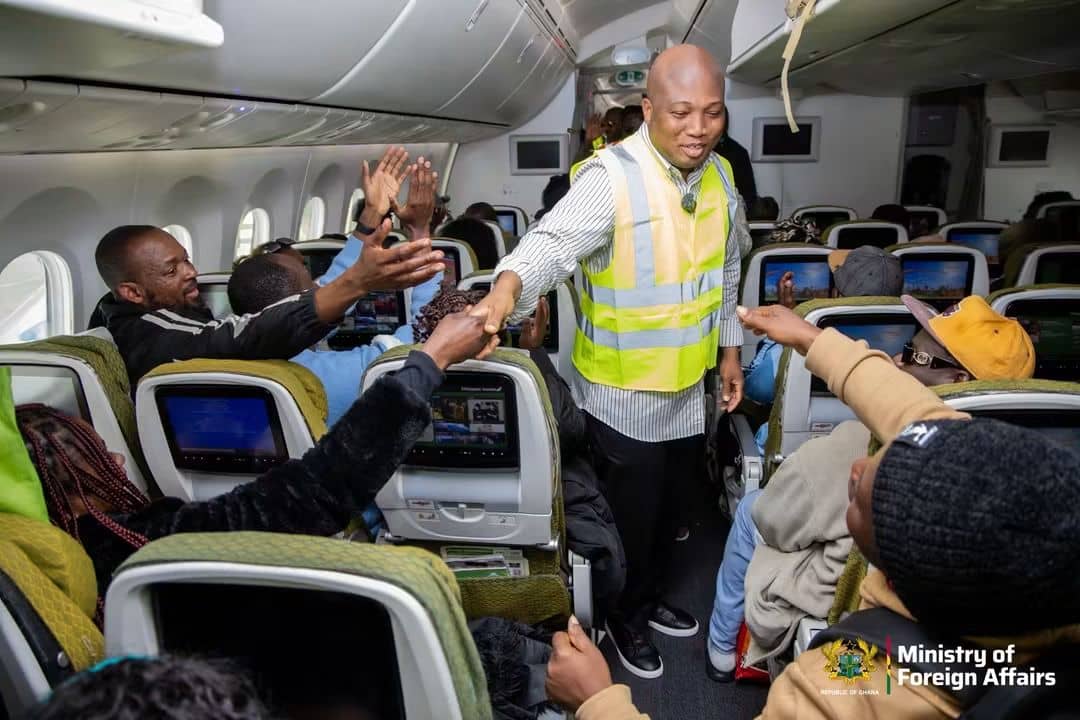
The evacuation exercise, which began in May 2026 and concluded on September 4, was coordinated by the Ministry of Foreign Affairs in collaboration with Ghana’s High Commission in Pretoria and other government institutions.
The final batch of 41 Ghanaians arrived in Accra on September 4, bringing the government-led evacuation exercise to a close. The Ministry of Foreign Affairs said the operation was undertaken after Ghanaians voluntarily registered to return home because of concerns over their safety.
GH¢49.72 million spent on evacuation
Speaking at a press briefing in Accra on September 7, Mr Ablakwa provided a breakdown of the expenditure incurred during the operation.
According to the Minister, GH¢38,835,512 was spent on chartered flights, commercial tickets, ground transportation, feeding, hotel accommodation, medical care and hospitalisation in South Africa.
A further GH¢10,802,000 was used for reintegration and transportation allowances provided to returnees, while GH¢84,274 was spent on repatriating the remains of two Ghanaian nationals who died during the crisis.
The total expenditure therefore amounted to GH¢49,721,786.
Government and private-sector contribution
The Minister said the Government of Ghana financed GH¢33,721,786 of the total expenditure.
The remaining GH¢16 million was donated by businessman Ibrahim Mahama through Engineers & Planners, helping to finance the emergency evacuation exercise.
Mr Ablakwa said the entire evacuation cost had been settled and that the government had no outstanding liabilities relating to the operation.
Returnees receive reintegration support
Beyond transporting the affected nationals back to Ghana, the government provided additional support to help them begin rebuilding their lives.
Each evacuee received a GH¢5,000 reintegration allowance and a GH¢500 transportation allowance.
Returnees also received medical screening through Port Health, enrolment under the National Health Insurance Scheme, food packages and SIM cards loaded with data and funds.
Psychologists and trauma counsellors were also deployed to provide support, while faith-based organisations and civil society groups offered additional assistance to some returnees.
The government has further created a database of the returnees to facilitate their connection to employment opportunities, entrepreneurship programmes, skills development initiatives and potential start-up support.
Evacuation followed renewed anti-foreigner tensions
The evacuation followed heightened concerns over the safety of foreign nationals in parts of South Africa.
According to Mr Ablakwa, anti-foreigner sentiment intensified from April 2026, with particular concerns emerging in areas including Durban Central Business District in KwaZulu-Natal.
He cited activities by vigilante and anti-immigration groups, including Operation Dudula, and said some foreign nationals had faced intimidation, harassment and attacks.
The government also said some Ghanaians lost property and businesses amid calls by anti-immigration groups for foreign nationals to leave the country.
Four Ghanaians died
The Foreign Affairs Minister also disclosed that four Ghanaians died in incidents connected to the deteriorating situation.
The victims identified by the government were Bashiru Issahaq, Kwadwo Antwi, Amoonu Jailor Nash and Ebenezer Ayi Tawiah.
The government has said it is pursuing diplomatic and legal avenues in relation to the deaths and is engaging South African authorities to ensure investigations are conducted.
Ghana’s High Commission in Pretoria has also lodged a formal protest with South Africa’s Department of International Relations and Cooperation and filed a complaint with the South African Police Service concerning one of the deaths.
The Ministry of Foreign Affairs previously confirmed that two deceased Ghanaians had their remains repatriated during the evacuation exercise. Its September 7 statement on the final batch said one returnee also died after arrival in Accra, bringing the number of deaths connected to the exercise to three in that specific account; the Minister’s subsequent financial briefing, however, referred to four Ghanaian deaths associated with the broader crisis.
Ghana raises concerns at African Union level
Ghana has also taken the issue beyond bilateral engagement with South Africa.
According to the Foreign Affairs Minister, Ghana formally petitioned the African Union Commission on May 6 to place xenophobic attacks against African nationals in South Africa on the continental agenda.
The petition raised concerns about recurring attacks, loss of lives, destruction of businesses and the implications for African unity, free movement and continental integration.
The Minister said the AU Commission had responded and indicated that the matter would be considered at an upcoming AU Summit expected in January 2027.
Government plans longer-term support
The government says its responsibility does not end with the return of the affected Ghanaians.
Mr Ablakwa indicated that authorities were considering longer-term economic empowerment measures for the returnees, including employment, entrepreneurship, skills development and start-up opportunities.
The special database created for the returnees is expected to help connect them with relevant government institutions and private-sector partners.
The Minister also announced plans for the establishment of a Ghanaian Diaspora Consular Fund, intended to provide emergency assistance to Ghanaians facing distress or crisis situations outside the country.
He said that since 2025, Ghana had repatriated 4,972 citizens from various countries, highlighting the financial and logistical demands placed on the government when Ghanaian nationals face emergencies abroad.
A costly emergency response
The South Africa evacuation represents one of Ghana’s significant recent emergency consular operations, with nearly GH¢50 million committed to protecting and bringing home citizens facing security concerns.
While the government has defended the intervention as necessary to protect Ghanaian lives, the scale of the expenditure also highlights the financial pressures associated with emergency assistance to citizens abroad.
With the final group of returnees now back in Ghana, attention will shift to their reintegration and to diplomatic efforts aimed at securing accountability for attacks against Ghanaian nationals.
The Government of Ghana has said it will continue engaging South African authorities while pursuing justice for victims and working to prevent similar crises from placing Ghanaian citizens at risk in the future.