
OMSU-KNUST Takes Members on Educational and Cultural Tour of Elmina Castle and Kakum National Park
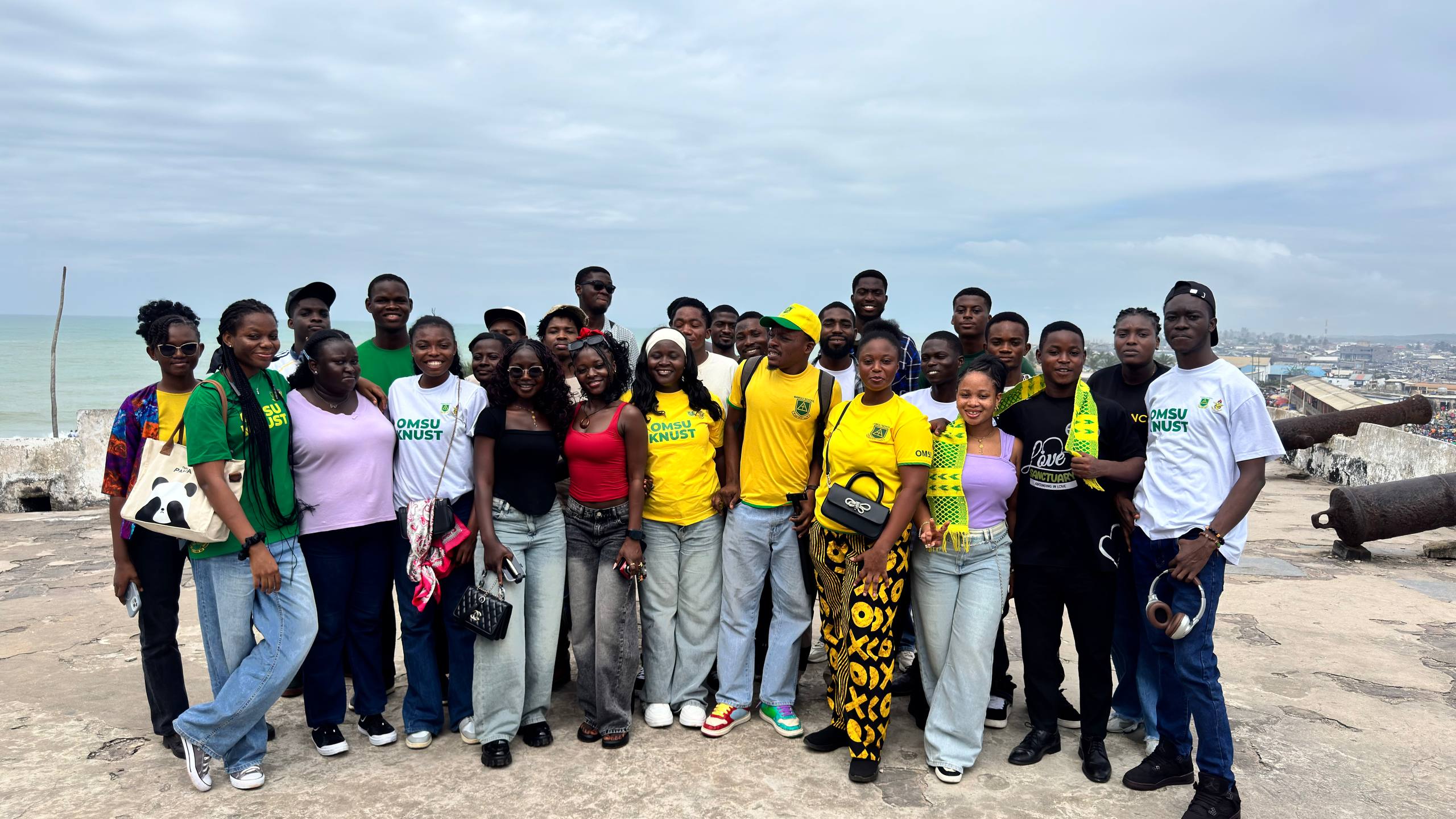
The Old Mawuli Students Union (OMSU), KNUST Chapter has embarked on an educational and cultural excursion to two of Ghana’s most significant tourist and heritage destinations — Elmina Castle and Kakum National Park in the Central Region.
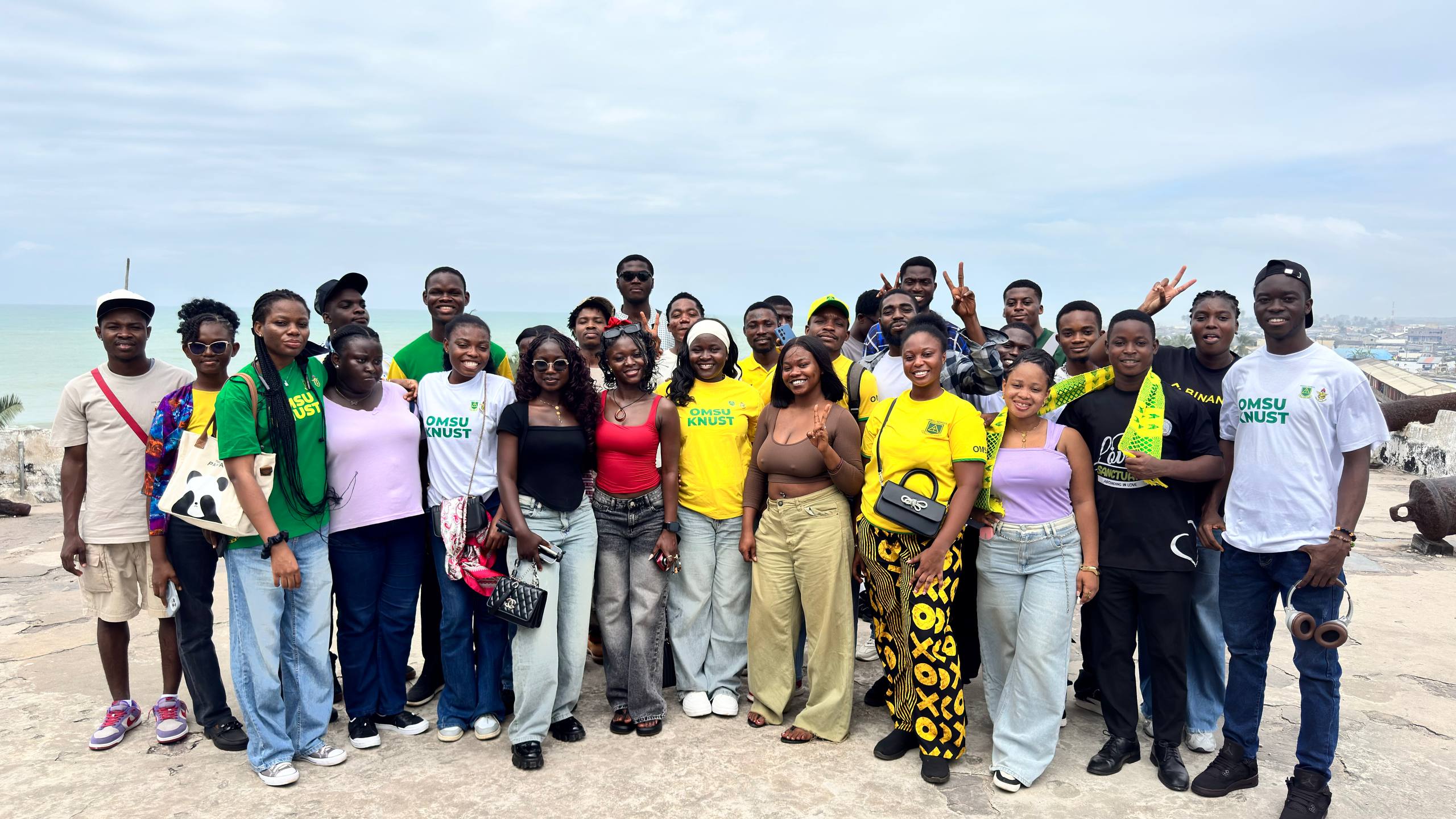
The excursion, captured in a video published by OMSU-KNUST, brought members together for an experience that combined historical education, cultural reflection, tourism and appreciation of Ghana’s natural environment.
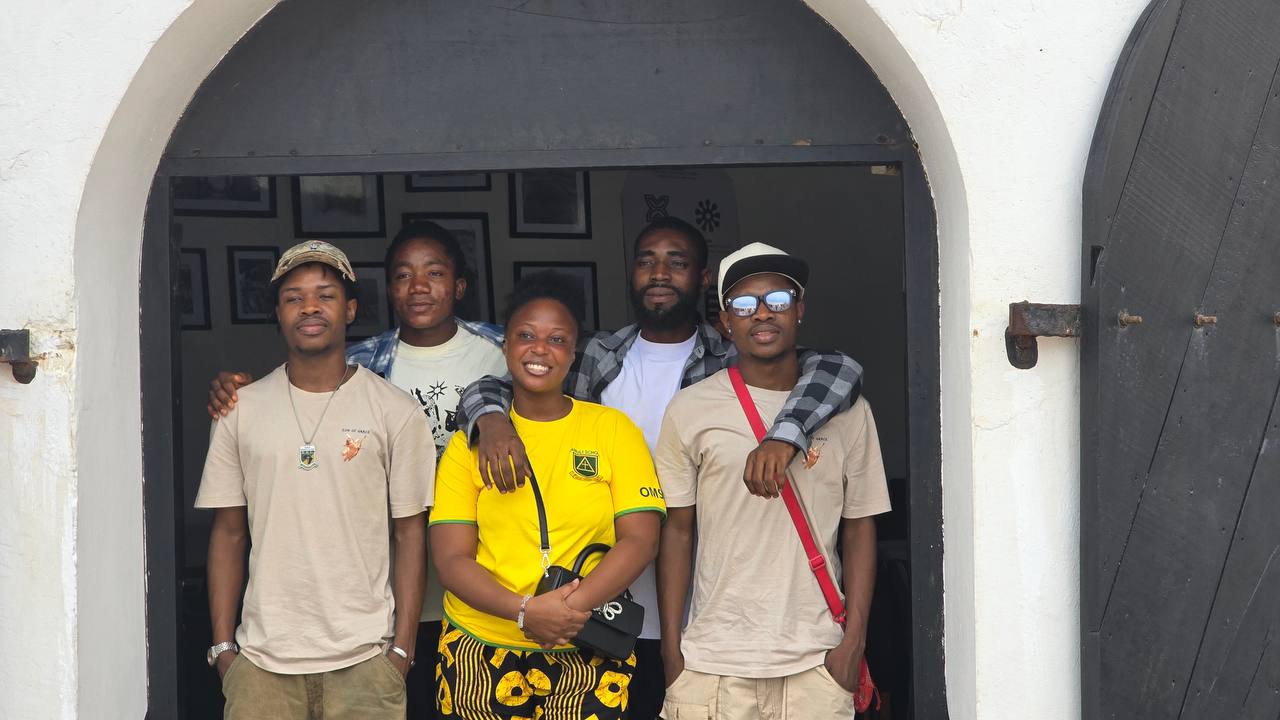
The trip provided members with an opportunity to step outside the university environment and engage directly with some of the country's most important historical and ecological sites.
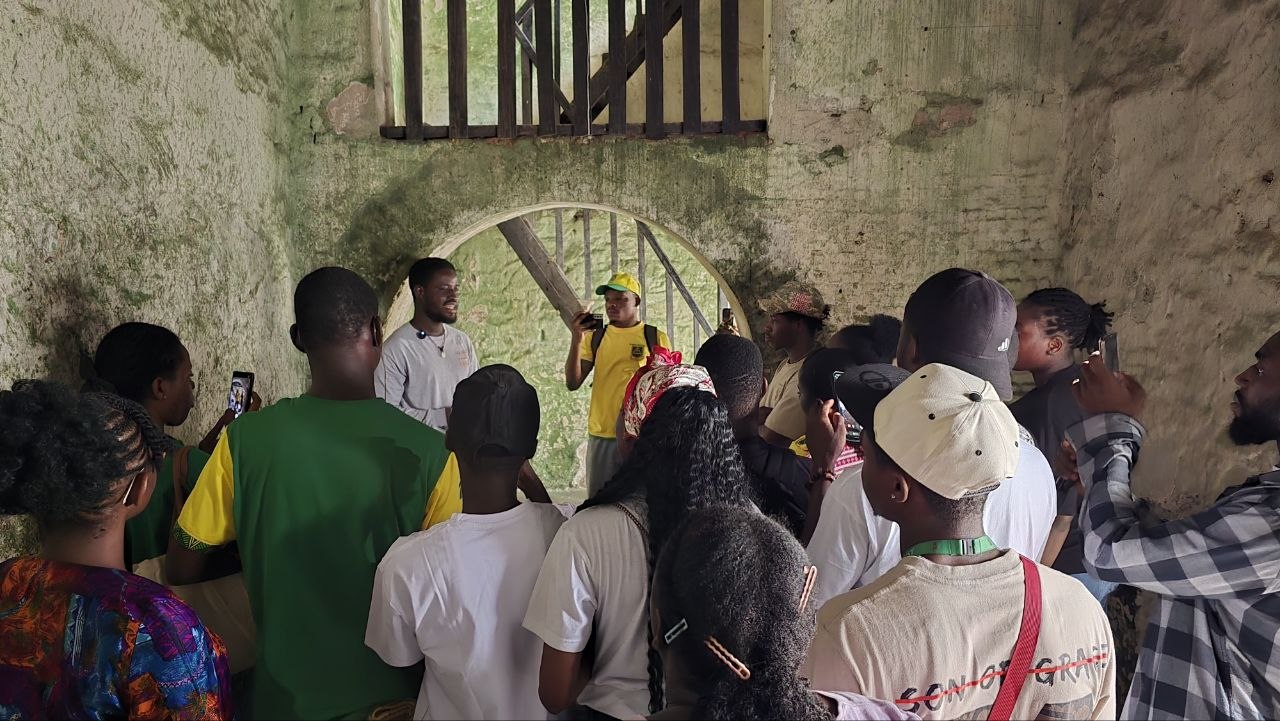
A Journey Through Ghana's Difficult History at Elmina Castle
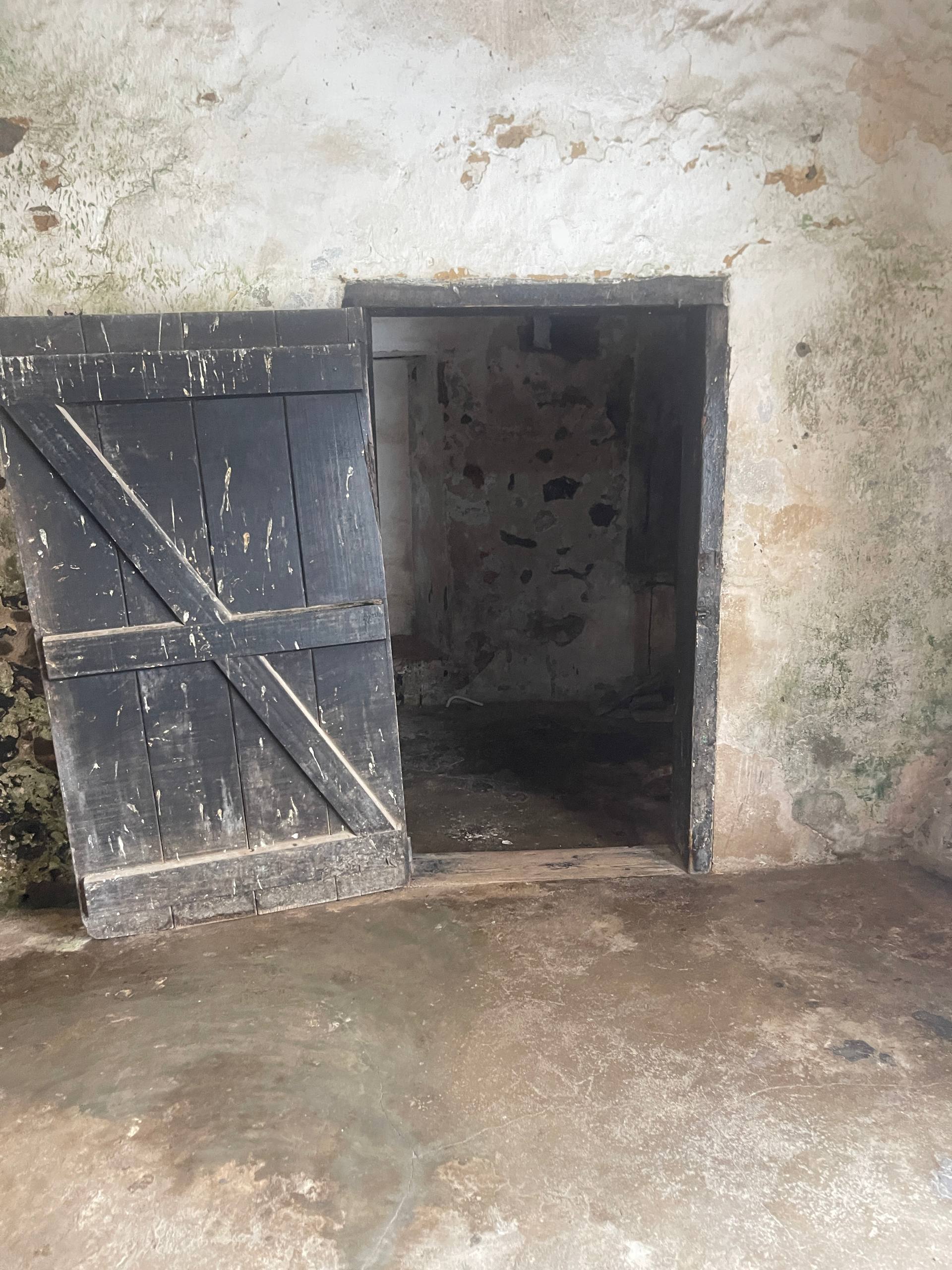
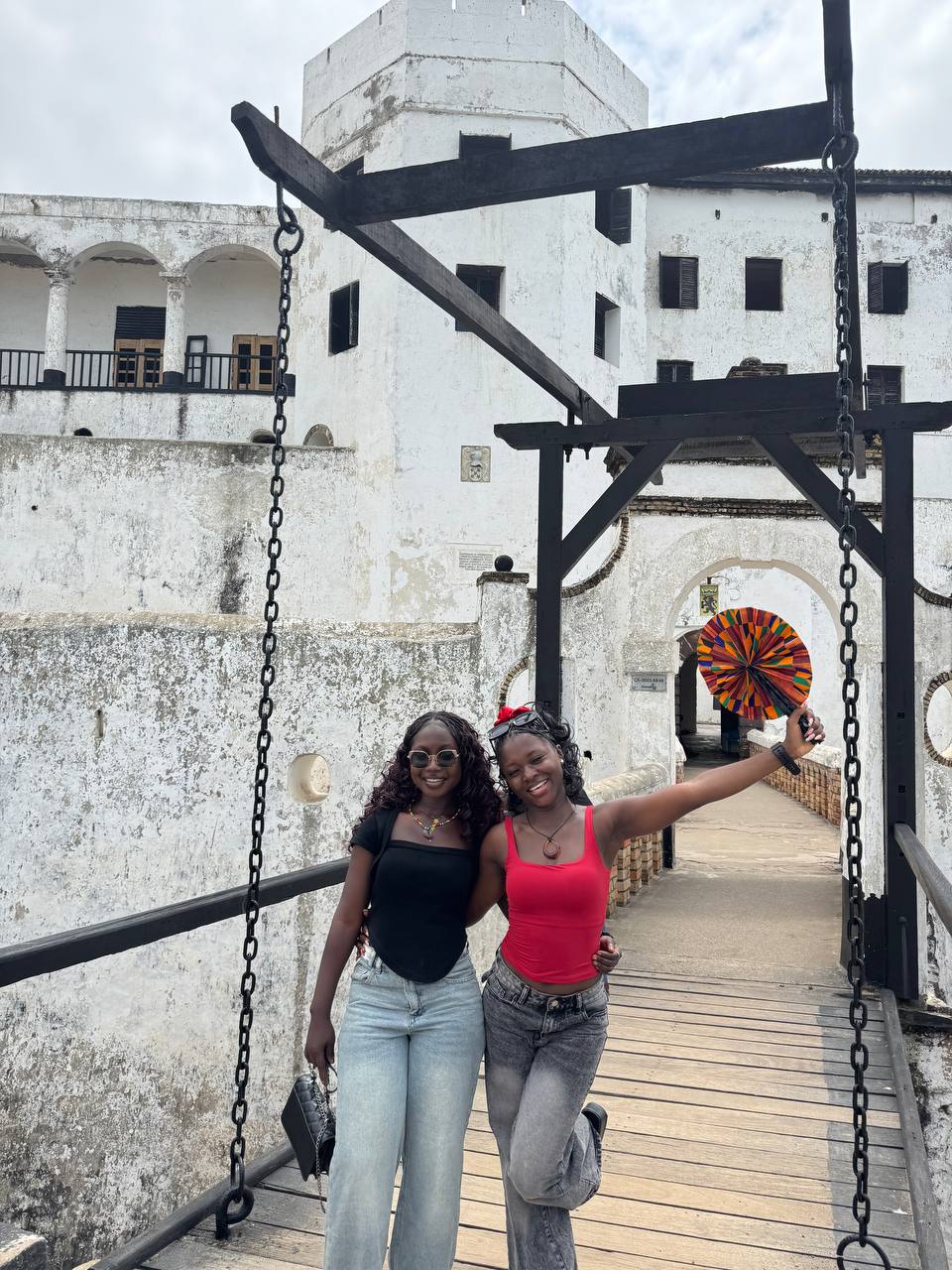
One of the major highlights of the excursion was the visit to Elmina Castle, also known as St. George's Castle.
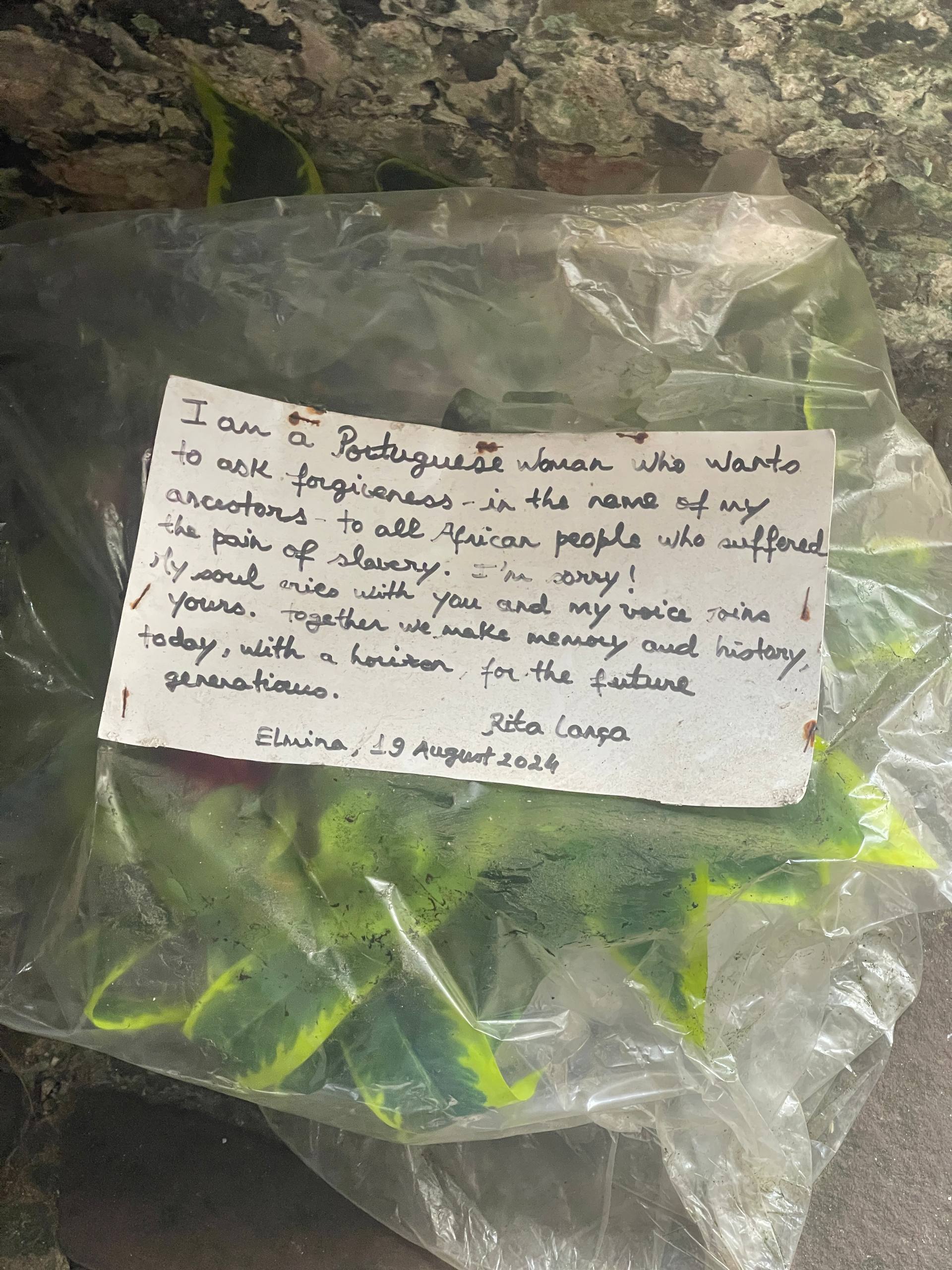
Built by the Portuguese in 1482, Elmina Castle is among the most important surviving monuments associated with European expansion along the West African coast. It initially served as a trading post, particularly for gold and other commodities, before its role became heavily associated with the transatlantic slave trade.

For the OMSU-KNUST members, the visit offered an opportunity to confront this history beyond textbooks and classroom discussions.
The Ghana Museums and Monuments Board (GMMB), which manages the site, says the castle's museum contains historical materials including photographs, gold weights, shackles, textiles, ceramics, beads and other artefacts that help tell the story of the castle and its changing role over the centuries.
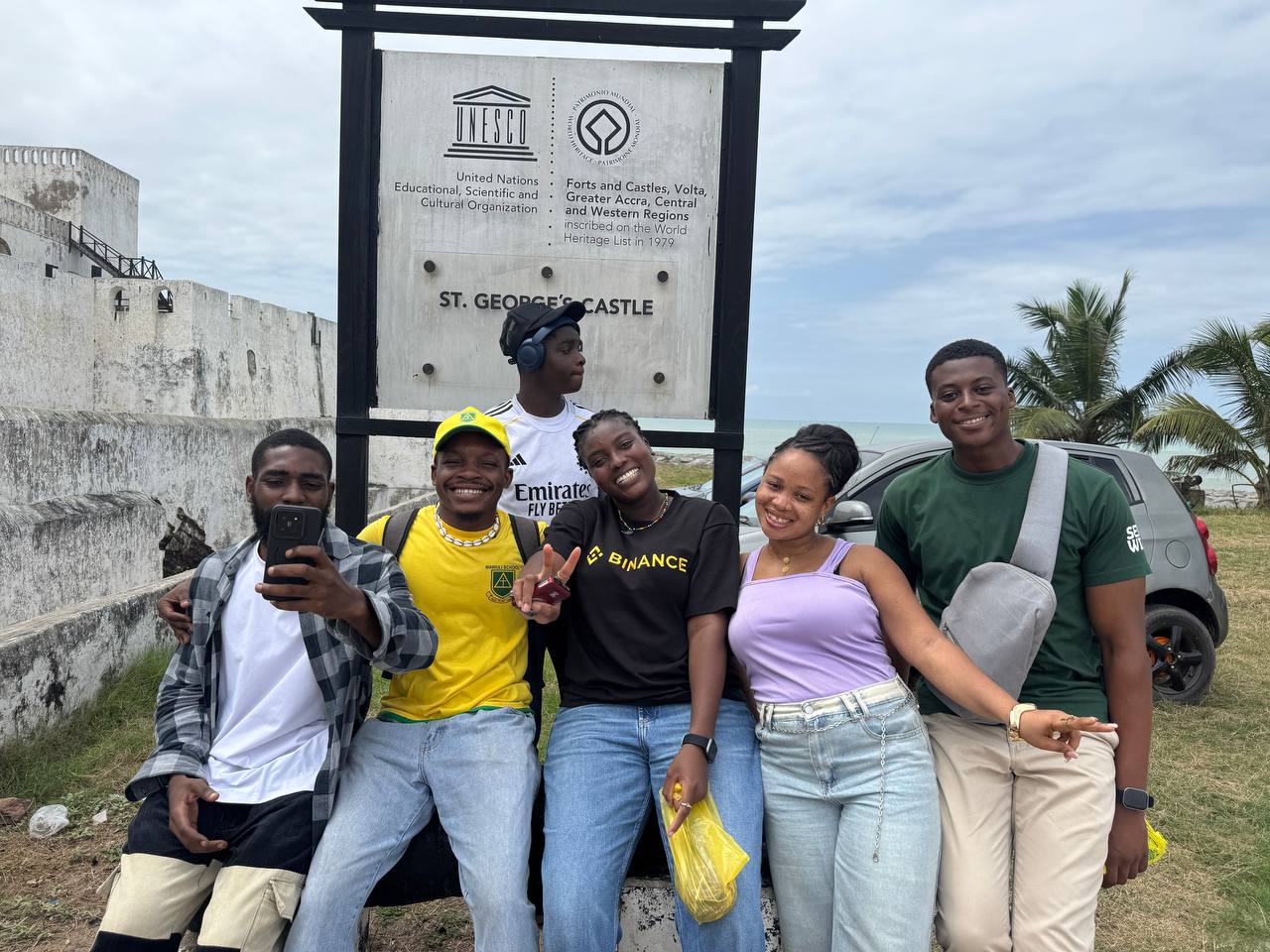
The experience at Elmina therefore served as more than a sightseeing stop. It provided an avenue for reflection on Ghana's historical encounters with Europe, the transatlantic enslavement of Africans and the lasting impact of that period on Africa and the wider world.
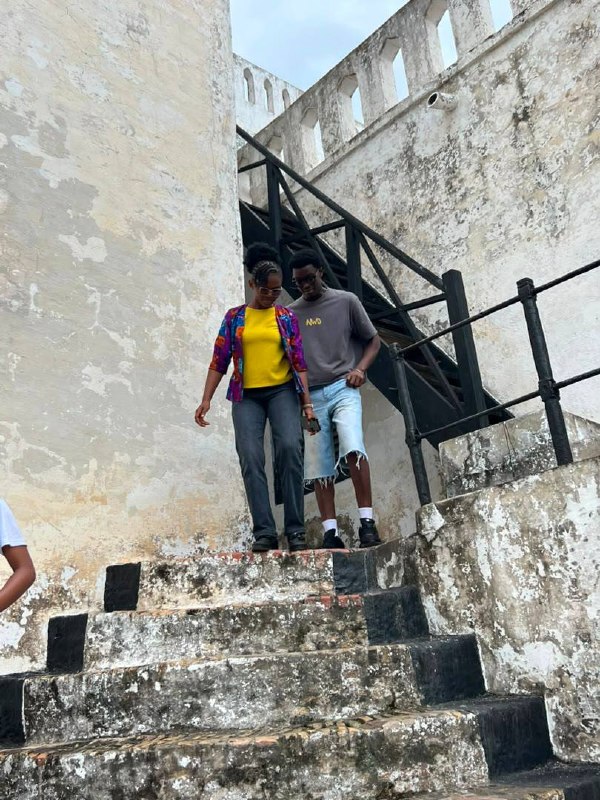
UNESCO has similarly described visits to Ghana's coastal castles as opportunities to reflect on the country's preserved cultural heritage and the history of the transatlantic slave trade.
From History to Nature at Kakum
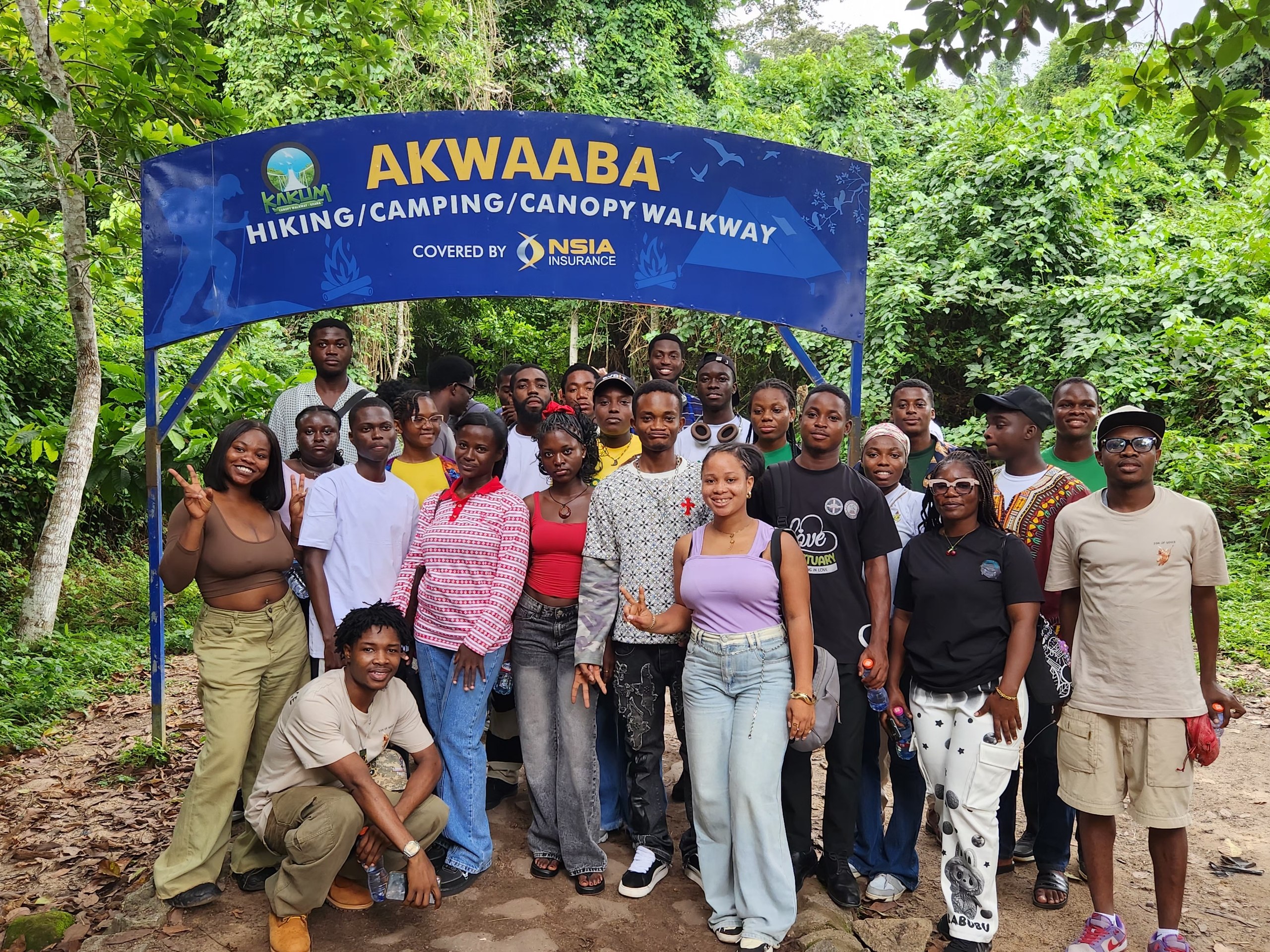
The excursion also took members to Kakum National Park, one of Ghana's best-known protected rainforest areas.
According to Ghana's Forestry Commission, the Kakum Conservation Area covers approximately 350 square kilometres and contains a rich variety of plant and animal life, including mammals, birds, butterflies, reptiles and amphibians. Some of the forest's tallest trees reach about 65 metres.
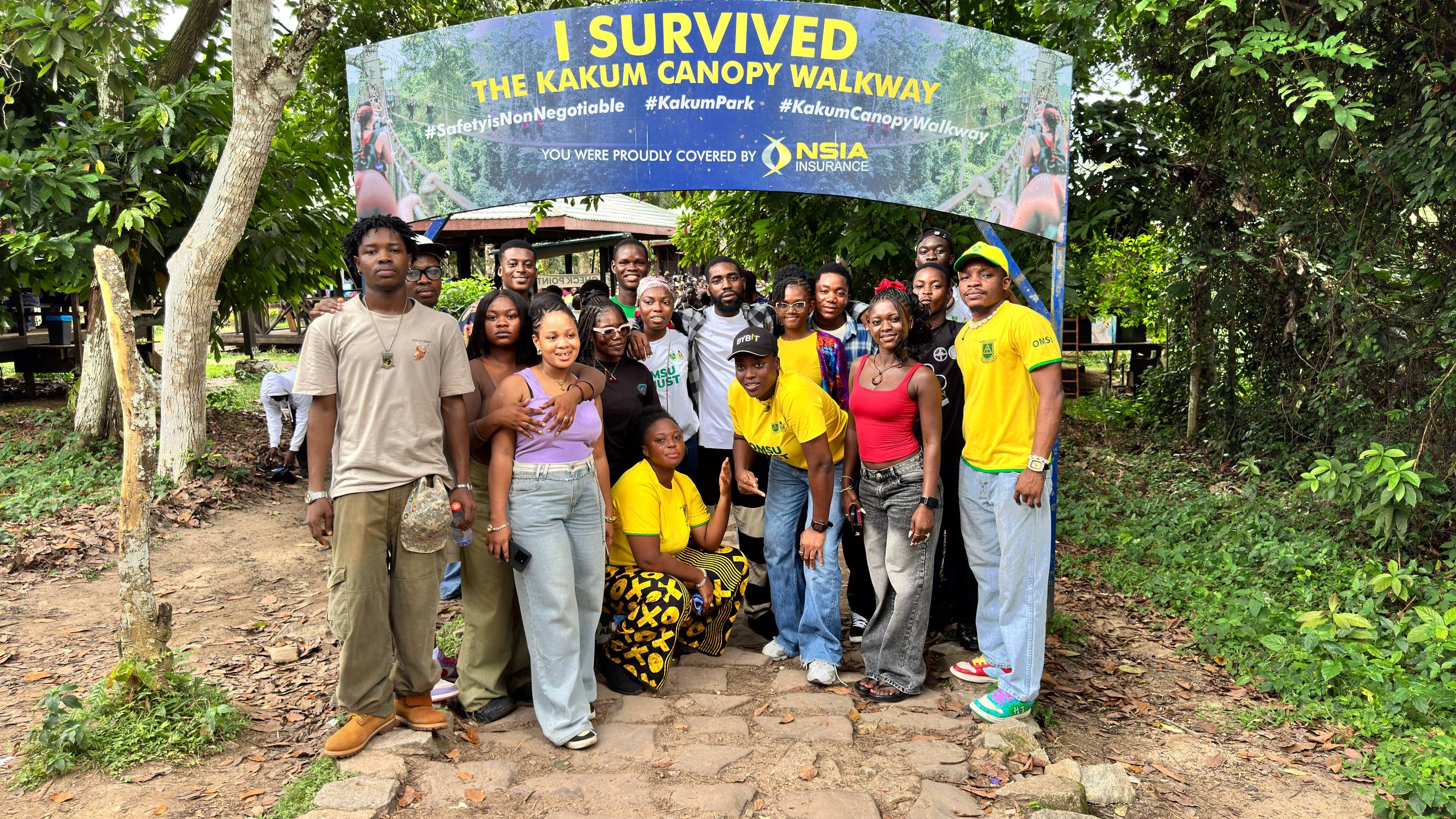
The park's most famous attraction is its elevated canopy walkway, which provides visitors with an unusual perspective of the rainforest by taking them above the forest floor and among the treetops.

The Central Regional Coordinating Council describes the canopy walkway as a series of suspension bridges reaching above the forest, while the Forestry Commission highlights the walkway as Kakum's principal attraction.
The visit gave OMSU-KNUST members an opportunity to appreciate Ghana's biodiversity and the importance of conserving the country's remaining rainforest ecosystems.
Learning Beyond the Classroom
The excursion demonstrates the value of educational experiences that extend beyond lecture halls and conventional academic activities.
By visiting Elmina Castle, members were able to engage with Ghana's history and heritage in a physical setting. The visit to Kakum, meanwhile, provided exposure to environmental conservation, biodiversity and ecotourism.
Together, the two destinations presented a striking contrast: one preserving memories of Ghana's complex historical past and the other showcasing the country's natural heritage.

For university students, such experiences can contribute to broader learning by connecting academic knowledge with real-world places, people and institutions.
The excursion also created an opportunity for members to interact, build relationships and create shared memories outside their normal university routines.
Preserving Heritage for Future Generations
Ghana's historical and natural attractions remain important components of the country's cultural identity and tourism sector.
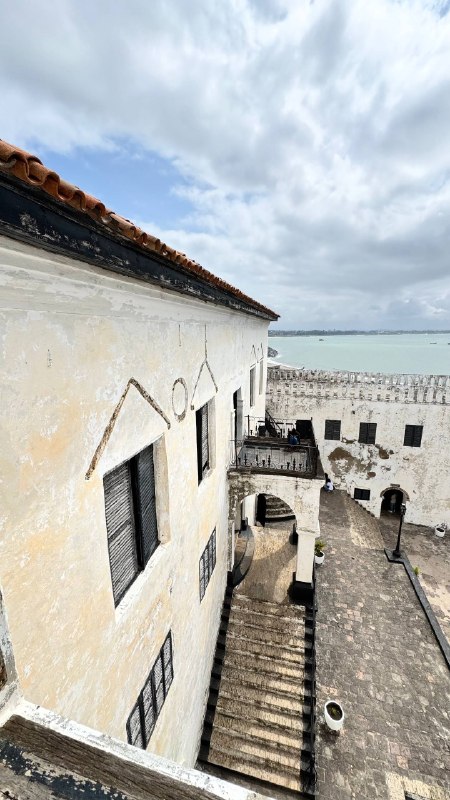
Elmina Castle, which forms part of Ghana's internationally recognised coastal heritage, continues to serve as a site of historical education and remembrance. Kakum, meanwhile, demonstrates the importance of protecting Ghana's forests and biodiversity while creating opportunities for responsible tourism.
The OMSU-KNUST excursion consequently offered members more than recreation. It brought together history, culture, environmental awareness, education and fellowship in one experience.
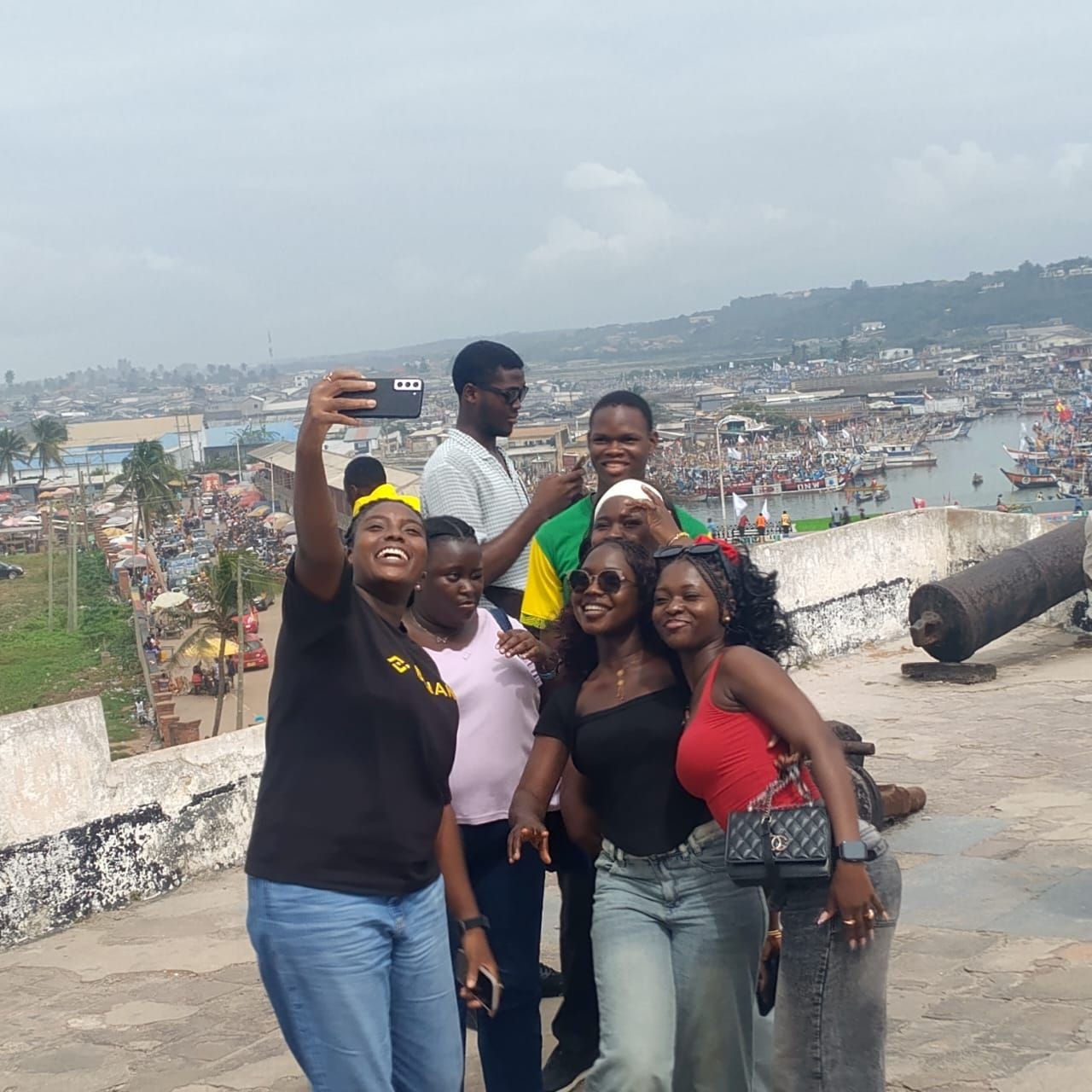
As captured in the group's video feature, the journey through Elmina Castle and Kakum National Park provided members with an opportunity to learn, reflect and appreciate important parts of Ghana's heritage while strengthening the bonds within the OMSU-KNUST community.